

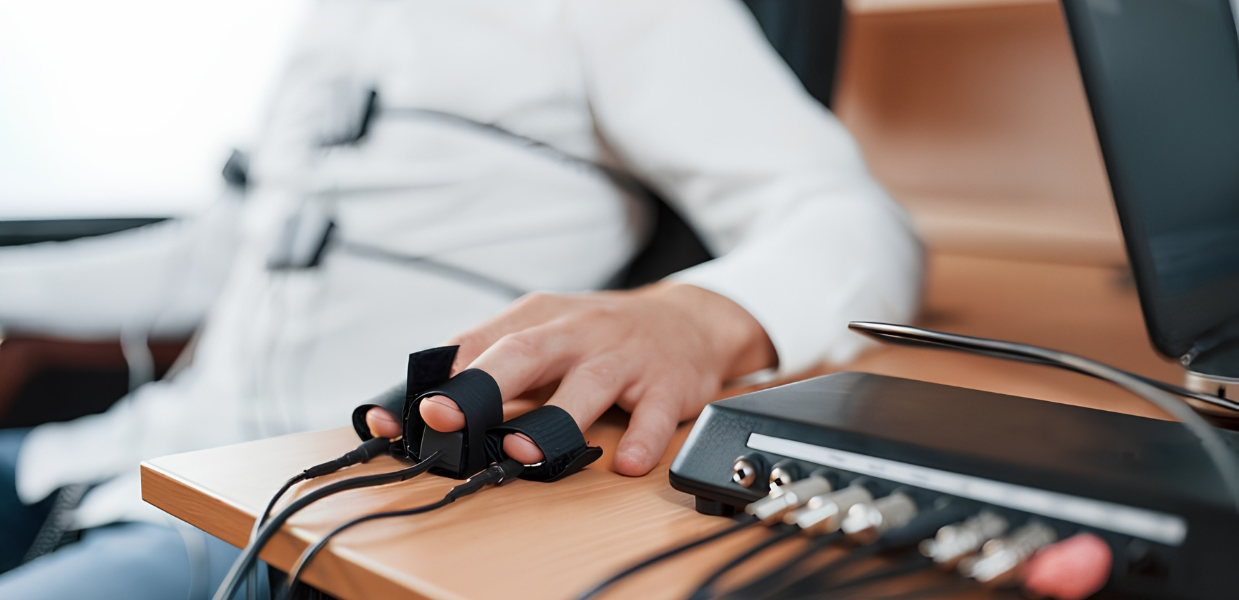
EMG (Electromyography)
At Hospital International Indo Guineen, our EMG (Electromyography) service is a specialized neurological diagnostic test used to evaluate the electrical activity of muscles and the nerves that control them. EMG plays a crucial role in identifying the cause and extent of muscle weakness, nerve disorders, and neuromuscular diseases with high accuracy.
This advanced test helps neurologists understand whether the problem originates in the muscles themselves or in the nerve pathways that control muscle function.
How EMG Works
EMG is performed using a thin, sterile needle electrode that is gently inserted into the affected muscle. This electrode records the electrical activity generated by muscle fibers both at rest and during contraction.
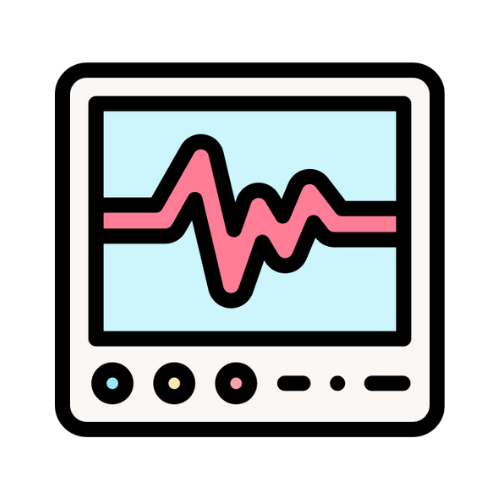
The recorded signals are displayed and analyzed by a specialized EMG machine, allowing the neurologist to assess the health and functionality of the muscle and its associated nerve supply. The test provides detailed information about how well the nerves and muscles are communicating.
What EMG Helps Diagnose
EMG is a highly valuable diagnostic tool used in evaluating a wide range of neuromuscular conditions, including:
- Muscle disorders (myopathies)
- Nerve injuries and compression neuropathies
- Motor neuron diseases (such as ALS)
- Peripheral nerve disorders
- Radiculopathy (nerve root compression in spine)
- Neuromuscular junction disorders
- Unexplained muscle weakness or pain
By accurately identifying the source of the problem, EMG helps in early diagnosis and effective treatment planning.
Role in Identifying Muscle and Nerve Disorders
One of the key strengths of EMG is its ability to differentiate between muscle-related and nerve-related causes of weakness. It helps determine whether the issue lies within the muscle tissue itself or in the nerve pathways that activate the muscle.
This distinction is extremely important for neurologists in selecting the correct treatment approach and predicting disease progression.
Expert Neurological Evaluation
At Hospital International Indo Guineen, EMG tests are performed and interpreted by experienced neurologists who specialize in neuromuscular disorders. Each test is carefully conducted to ensure precision, patient comfort, and diagnostic accuracy.
The findings are thoroughly analyzed to provide a detailed understanding of the patient’s condition, helping in accurate diagnosis and personalized treatment planning.
Safe and Controlled Procedure
EMG is a safe diagnostic procedure performed under strict medical supervision. While it involves the use of a fine needle electrode, the discomfort is minimal and temporary.
The procedure is carefully explained to the patient beforehand, and all necessary precautions are taken to ensure comfort and safety throughout the test.
Importance in Neurological Diagnosis
EMG is an essential investigation in neurology, especially for patients presenting with symptoms such as muscle weakness, numbness, tingling, cramps, or unexplained pain.
It provides critical insights into the functioning of muscles and nerves, enabling early detection of serious neurological conditions and helping prevent disease progression through timely intervention.
Quick and Informative Testing
The EMG procedure is typically completed within a short duration, depending on the number of muscles tested. Despite being quick, it provides highly detailed and valuable diagnostic information that cannot be obtained through routine examinations alone.
Commitment to Advanced Neurological Care
At Hospital International Indo Guineen, our EMG services reflect our commitment to delivering advanced, precise, and patient-focused neurological diagnostics. By combining modern technology with expert clinical expertise, we ensure accurate evaluation of nerve and muscle disorders.
Whether used for diagnosis of muscle disease, nerve injury, or complex neuromuscular conditions, our EMG service provides reliable results that support effective treatment and improved patient outcomes.